Dream Companion Review – A Realistic AI Companion Platform Built for Chat, Character Creation, and Visual Immersion
Some AI companion platforms feel shallow after only a few minutes. You open the site, exchange a handful of messages, and quickly realize there is not much depth behind the interaction. Dream Companion aims for something more immersive. Instead of acting like a basic chatbot with a romantic label attached to it, it presents itself as a broader AI companion platform built around character creation, personalized chat, image generation, and stronger long-term continuity.
That broader structure is one of the main reasons MyDreamCompanion.com stands out. It is not only about sending messages to a generic virtual character. The platform encourages users to build a companion, shape the visual style, choose personality direction, and develop an experience that feels more personal over time. That gives it stronger replay value than many simpler alternatives in the same space.
From a review perspective, the appeal is easy to understand. DreamCompanion combines a large discovery library, custom character creation, image tools, and memory-based interaction in a format that feels easier to approach than heavily technical AI platforms. It is designed to feel immediate for first-time users while still giving regular users enough depth to come back for more.
What Is Dream Companion?
Dream Companion is an AI companion and roleplay platform centered on ongoing chat, customizable characters, and visual generation. Rather than relying only on one universal assistant, it offers a wider ecosystem where users can explore existing companions or create their own with different styles, appearances, and personalities.
That matters because variety is one of the key things that keeps AI companion platforms interesting. A single fixed character can only go so far before the experience starts to feel repetitive. MyDreamCompanion.com addresses that by combining a public discovery layer with custom creation tools, giving users room to either explore what already exists or build something more tailored.
It also helps that the product identity is very clear. The platform openly presents itself as a companion-driven experience focused on realism, stronger emotional continuity, and more immersive interaction. That kind of clarity makes it easier to understand what the service is trying to deliver.
Why Dream Companion Stands Out
The biggest strength of Dream Companion is that it blends several popular features into one connected experience. Chat, image generation, memory, character creation, and a large discovery feed all sit under the same brand. That gives the platform a more complete feel than services that only focus on one narrow feature.
The second major strength is realism. Dream Companion clearly pushes a more lifelike visual and conversational tone than many lighter competitors. The platform is designed to make companions feel more believable, more visually polished, and more emotionally consistent across multiple interactions.
There is also a strong sense of user control. Instead of asking everyone to adapt to the same default experience, Dream Companion gives users multiple ways to shape what they want. That kind of flexibility is often what separates a forgettable AI chat tool from a platform people actually return to.
Character Creation Adds Real Personalization
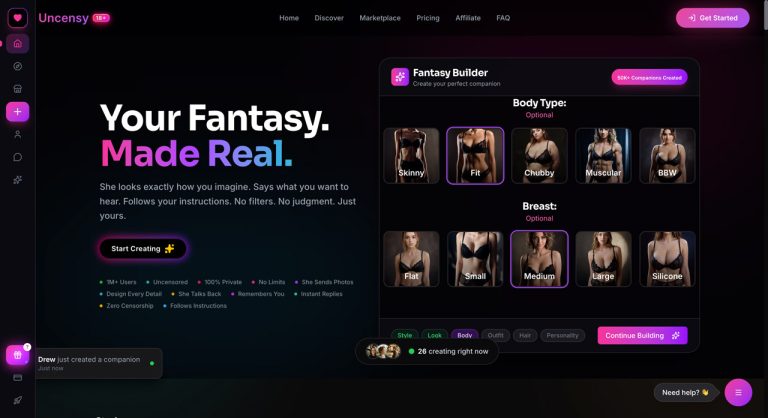
One of the strongest parts of Dream Companion is the character creation system. The platform does not expect users to settle for pre-made profiles only. It also allows them to design a companion with a more specific look, style, and tone that fits their own preferences better.
That level of personalization matters because AI companion products become much more engaging when users feel invested in the final result. A companion that is shaped by the user naturally feels more memorable than a random preset chosen from a list. Dream Companion seems built around that idea.
It also helps that the creation flow appears more layered than usual. Instead of treating customization as a single screen, the platform presents it as a guided process with multiple categories, which gives the product a more premium and more intentional feel.
Chat and Memory Make the Experience More Engaging
Another reason Dream Companion has stronger replay value than many alternatives is memory. A lot of AI chat tools seem interesting at first but become less convincing once the character forgets earlier details or falls into repetitive responses. Dream Companion leans into memory as a core part of the companion experience.
When a character remembers previous interactions, the platform feels more connected and more rewarding over time. Instead of every conversation starting from zero, the user gets a stronger sense of continuity. That makes the interaction feel more personal and gives users a bigger reason to return.
For users who want more than a surface-level chatbot, this is one of Dream Companion’s clearest strengths. Memory is not just a technical extra here. It is part of what makes the companion feel more established and more immersive.
Image Generation Helps the Platform Feel More Complete
Dream Companion also benefits from offering more than text-based interaction. The image generation layer adds visual support to the overall experience, helping characters feel more present and more defined. That matters because many users want more than conversation alone.
Visual features can make a companion experience much more memorable. When a character has both a recognizable personality and a visual identity, the product feels more complete. Dream Companion appears to understand that well, which is why image generation is integrated directly into the broader platform rather than treated as a side experiment.
From a review standpoint, this makes the platform easier to recommend than a text-only option. It gives users another reason to stay inside the ecosystem instead of relying on another tool for the visual side of the experience.
Discovery and Variety Increase Replay Value
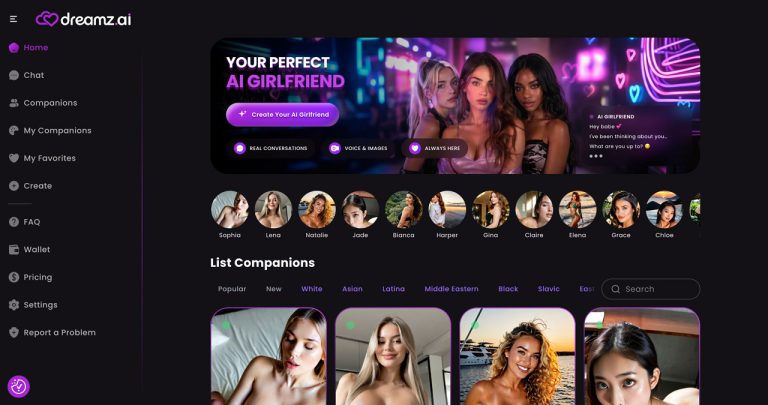
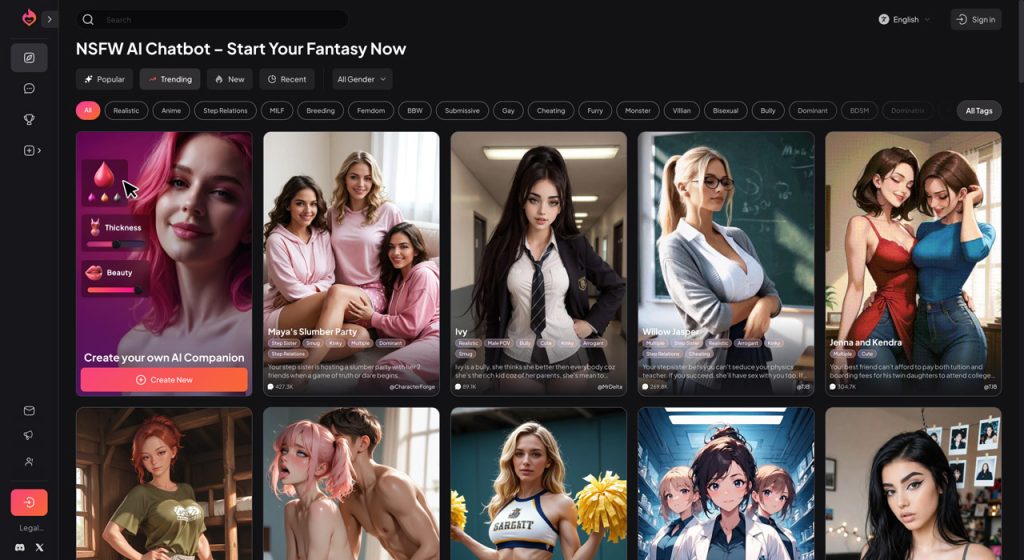
The discovery side of Dream Companion is another advantage. A public library of characters gives the platform a broader sense of variety and helps first-time users jump into the experience quickly. Instead of having to build everything from scratch, they can browse, test, and get a feel for the platform right away.
This discovery layer is also important for replay value. A platform becomes much easier to revisit when there are always more characters to browse, different styles to test, and new moods to explore. That helps Dream Companion feel more alive than a smaller service with only a handful of static options.
At the same time, the public library does not replace the creation tools. The two parts work together well: discovery makes entry easier, while customization gives long-term users more control and more reasons to stay.
Premium Features Give It More Depth
Dream Companion also has a clear premium structure, which helps the platform feel more productized than many smaller competitors. Instead of offering one fixed experience for every user, it separates entry-level use from a fuller version of the service with broader access and deeper functionality.
This works well because users in this category do not all want the same level of involvement. Some may only want to test the platform casually, while others want longer conversations, more character freedom, and stronger multimedia features. A tiered structure helps Dream Companion serve both groups more effectively.
That kind of progression also makes the service feel more serious. It suggests that the product is built for repeat interaction and subscription-style use rather than one-time curiosity alone.
Privacy and Platform Feel
Privacy is another part of the appeal. AI companion users often care a lot about whether their conversations and account activity feel discreet and controlled. MyDreamCompanion.com clearly leans into that side of the product experience, which helps the platform feel more polished and more trustworthy.
This matters because a companion platform can lose its appeal quickly if the environment feels careless or unstable. Dream Companion benefits from presenting itself as a more structured service with visible legal pages, clear billing language, and stronger platform framing than many lighter alternatives.
For many users, that stronger product feel is just as important as the features themselves. It makes the experience easier to trust and easier to return to.
Affiliate Appeal Adds Another Layer
Another interesting part of Dream Companion is that it is not only built for users. The affiliate side gives the product a stronger business layer as well. That makes the platform more visible from a promotional standpoint and suggests that the company is positioning itself for long-term growth rather than only organic discovery.
That kind of structure often signals a more developed product. When a platform supports both user acquisition and partner promotion, it usually feels more mature than a site that depends only on one traffic source. In Dream Companion’s case, that helps reinforce the impression of a platform built to scale.
For publishers and marketers, this also makes the brand easier to evaluate because the value proposition is clear on both the user side and the traffic side.
Who Dream Companion Is Best For
Dream Companion is a strong fit for users who want more than a basic AI chat tool. If you like the idea of combining character creation, ongoing conversation, visual generation, and memory-based interaction inside one platform, it offers more depth than many simpler alternatives.
It is also a good option for users who value realism and variety. The platform clearly aims for a more polished visual style and a stronger sense of continuity than lighter chatbot services, which makes it more appealing for people who want a more immersive experience.
For users who want an AI companion platform that feels broader, more polished, and more customizable than a standard chat app, Dream Companion has very clear appeal.
Final Verdict
Dream Companion feels like a more developed AI companion platform because it combines the features that matter most in this category: customizable characters, memory-based chat, image generation, public discovery, and a more structured subscription model. Its biggest strength is not just that it offers AI companions, but that it tries to make those companions feel more consistent and more immersive over time.
That gives the platform stronger replay value than a simple chat novelty tool. Instead of feeling disposable, Dream Companion comes across as a service designed for ongoing interaction, personalization, and repeat use. The addition of strong creation tools and visual support only makes that broader identity more compelling.
If you want an AI companion platform that feels more layered than a basic chatbot and more immersive than a text-only experience, Dream Companion is worth a closer look. It offers a more complete and more polished take on the growing AI companion category.
Dream Companion is not just about chatting with an AI character once. It is about building a more immersive companion experience where chat, memory, visuals, and customization all work together in one platform.